As a locksmith business owner, I’ve learned that having a great service isn’t enough. In today’s digital age, potential customers are searching online for quick, reliable solutions when they’re locked out or need security upgrades. This is where content marketing comes into play—it’s not just a buzzword, it’s a strategic way to attract, engage, and convert clients. Let me walk you through how I’ve leveraged content marketing to grow locksmith service leads and how you can do the same.
Understanding the Power of Content Marketing
When I first started my locksmith business, I relied heavily on word-of-mouth referrals and local ads. While they helped initially, I noticed that most people began their search for locksmith services online. That’s when I realized that creating valuable content wasn’t optional—it was essential.
Content marketing isn’t just about writing blogs. It’s about providing solutions to customer problems. For example, potential clients often search for “how to choose a reliable locksmith” or “emergency lockout solutions.” By answering these questions through informative blogs, guides, or videos, I positioned my business as a trustworthy authority in my area.
Targeting the Right Audience
One of the first steps I took was identifying my ideal customers. For locksmith services, the audience often includes homeowners, renters, business owners, and property managers. Once I knew who I was targeting, I created content tailored to their needs.
For instance, I wrote a blog post titled “5 Signs You Need a Professional Locksmith Immediately.” This content resonated with homeowners who were unsure about when to call a locksmith versus trying to fix a lock themselves. As a result, I noticed an increase in inquiries directly from my blog page, turning casual readers into actionable leads.
SEO: Driving Organic Traffic
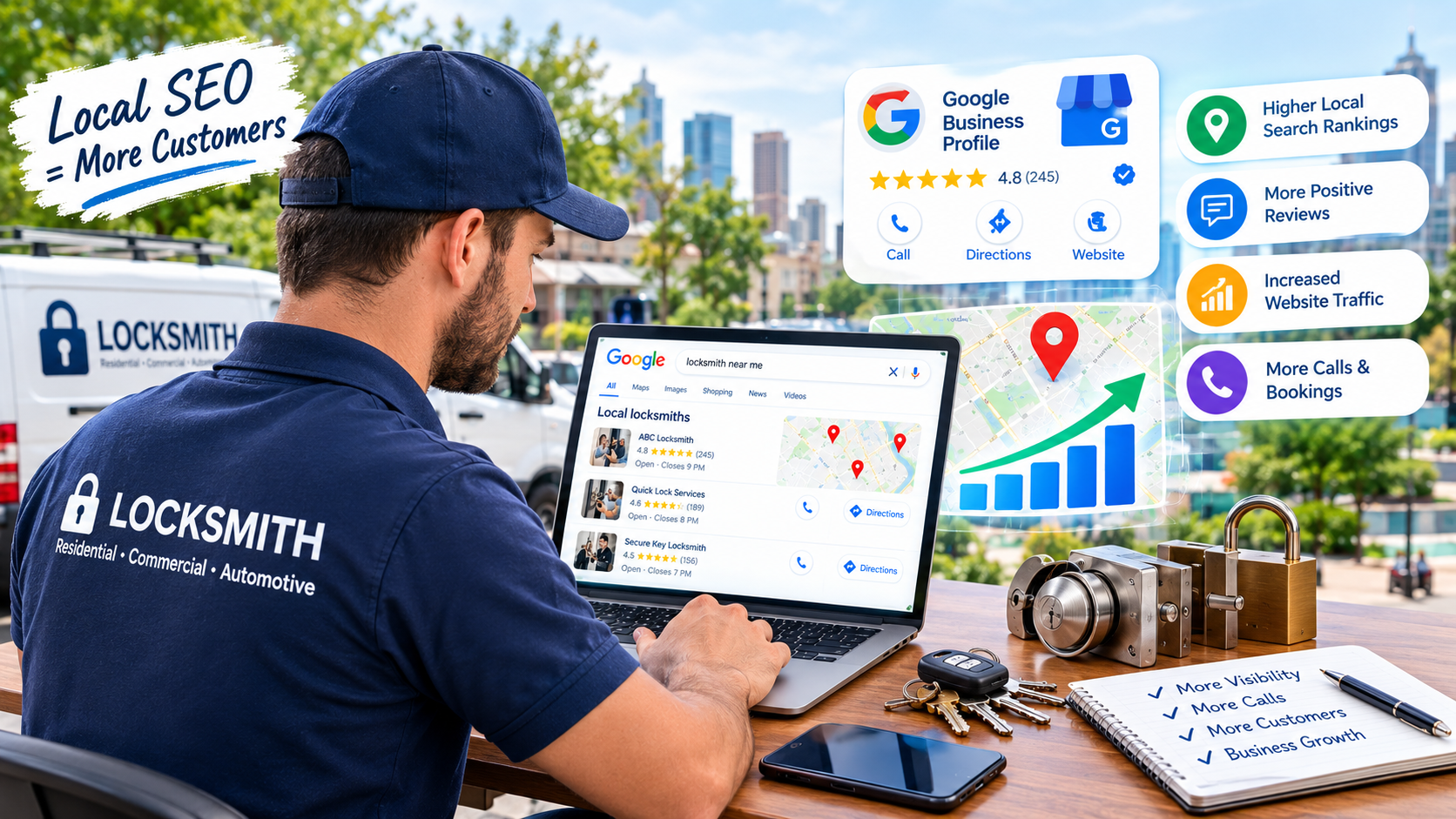
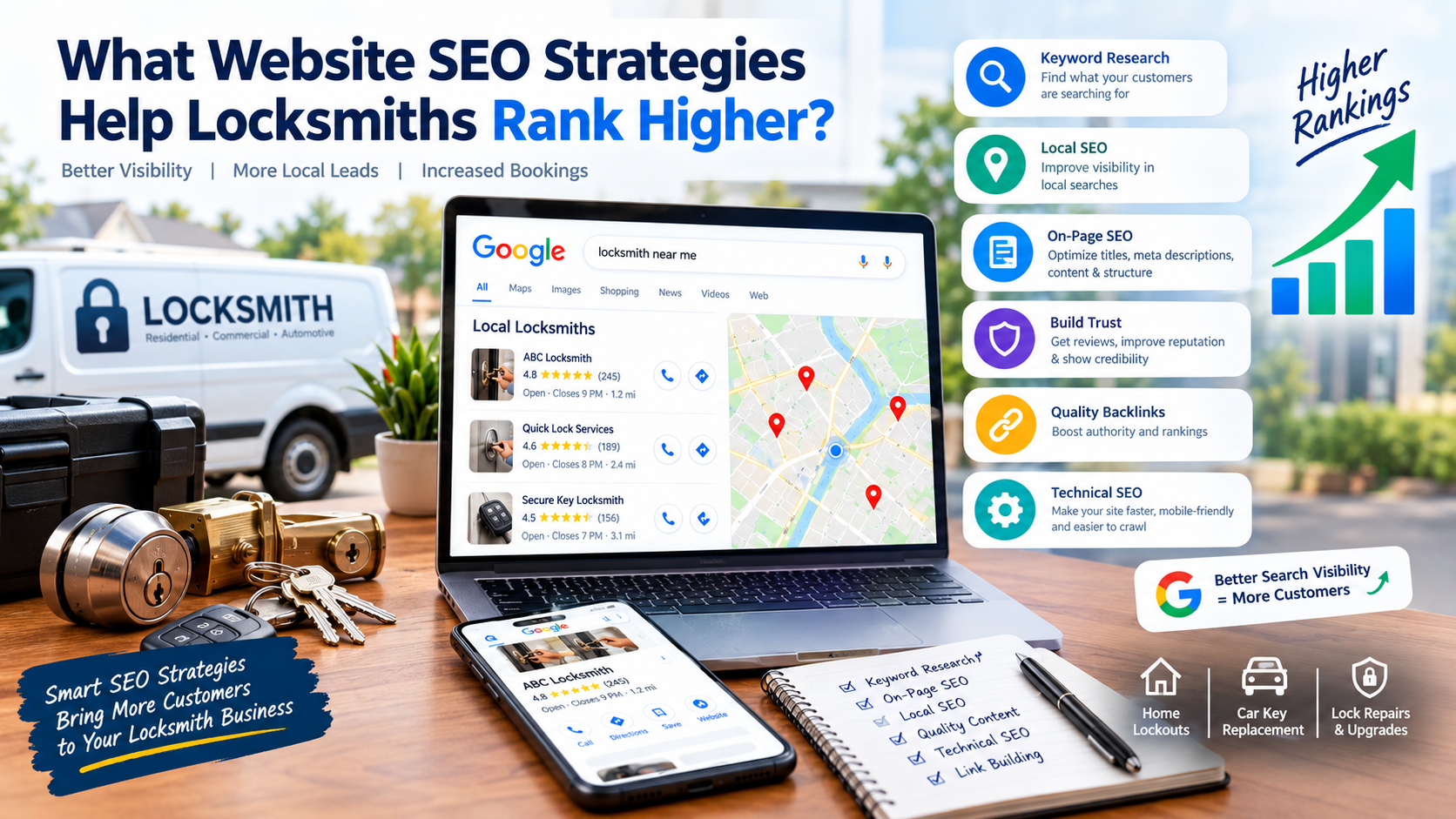
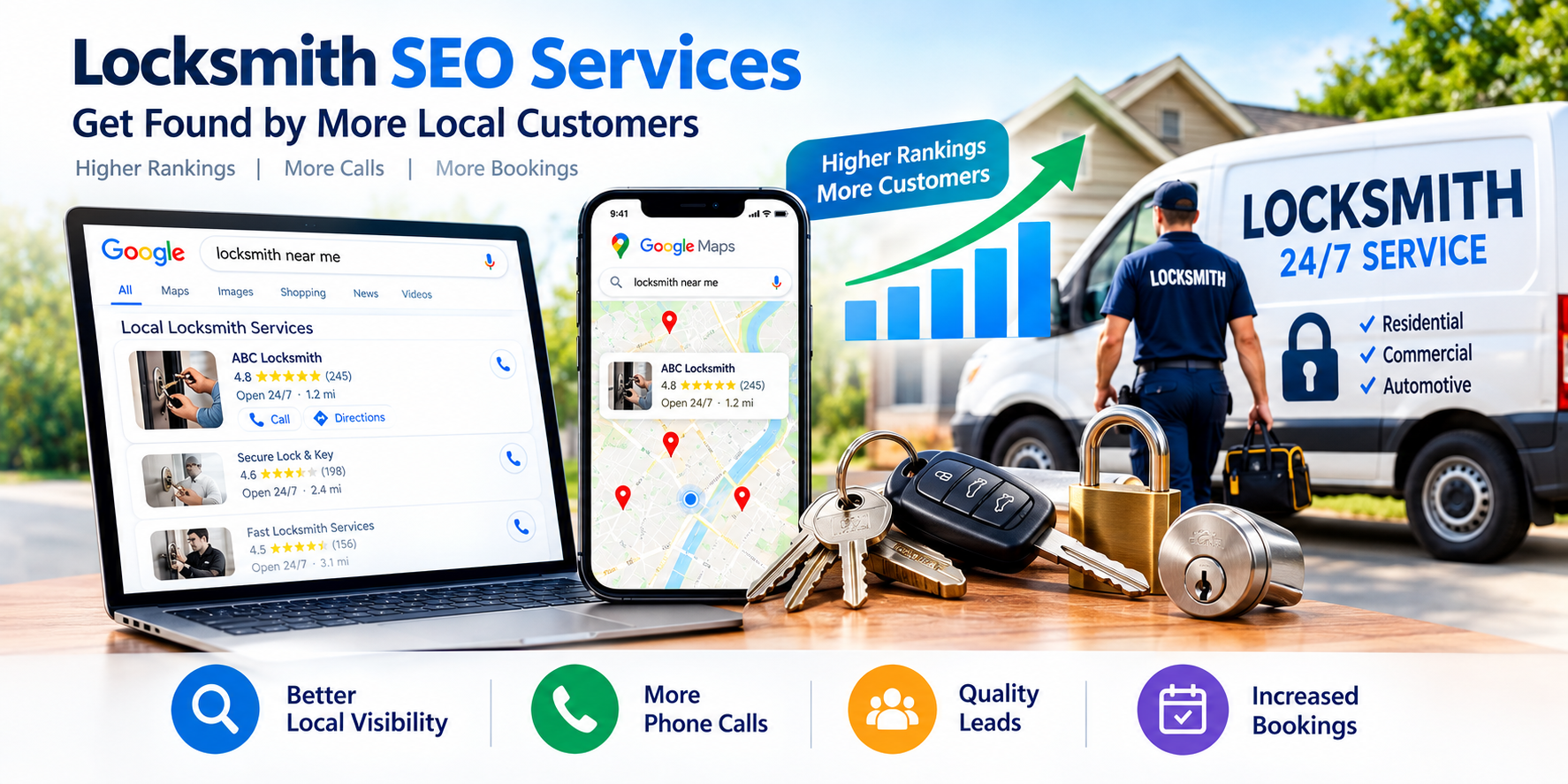
Creating content is only half the battle; the other half is making sure it reaches the right people. That’s where SEO comes in. I decided to focus on professional Locksmiths SEO Services that boost website traffic and leads to optimize my website for search engines. Using the right keywords, meta descriptions, and headings helped my content appear at the top of Google search results.
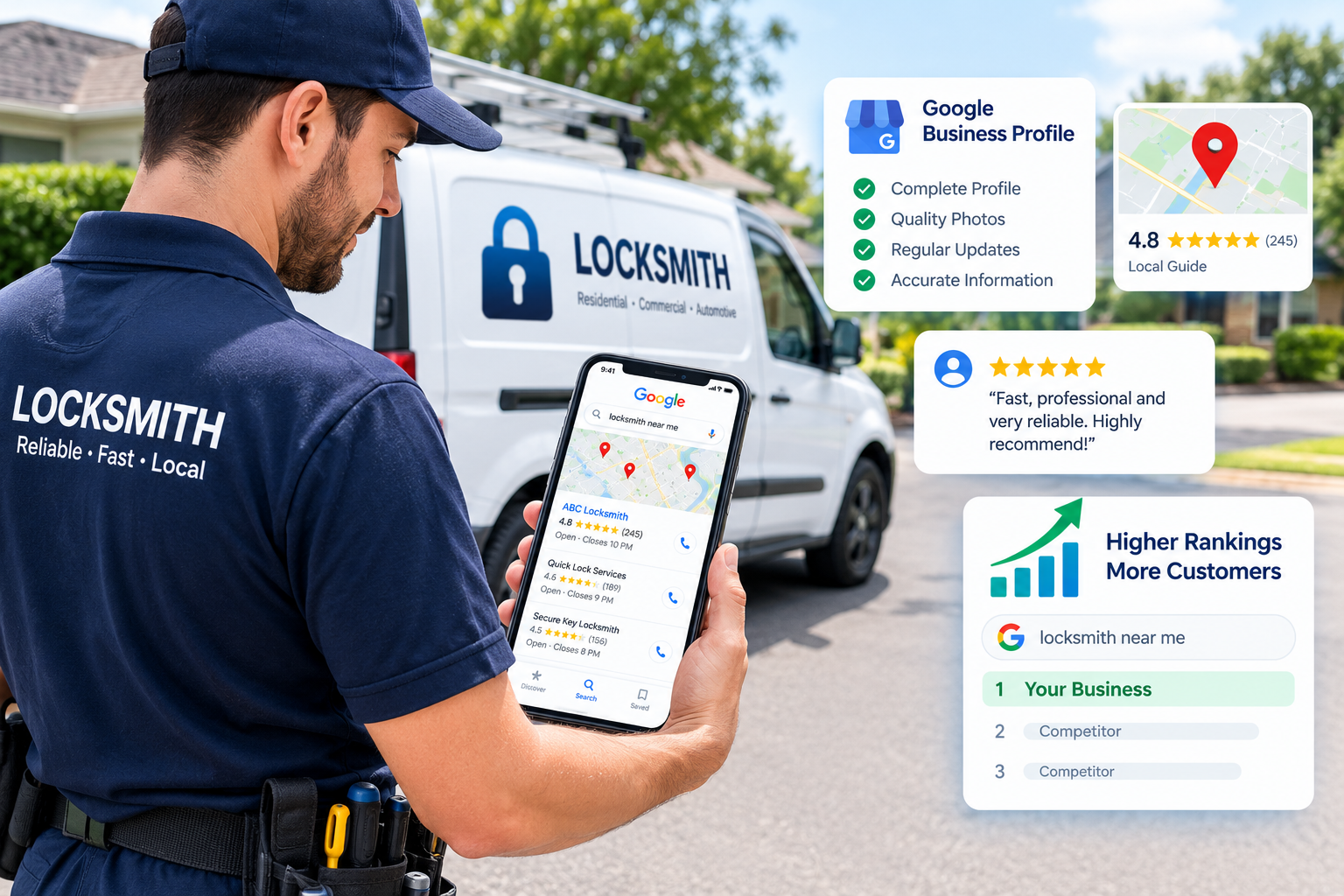
SEO also allowed me to target local customers actively searching for locksmith services near them. By incorporating location-specific keywords and creating helpful guides like “Emergency Locksmith Services in [City Name],” I saw an increase in organic traffic that was highly likely to convert into leads.
Diversifying Content Formats
Another strategy that proved successful was diversifying content formats. I didn’t just stick to blog posts; I experimented with videos, infographics, and social media posts. For example, I created a short video explaining how to rekey a lock safely. While this wasn’t something I expected customers to do themselves, it demonstrated my expertise and encouraged viewers to call for professional help.
Social media platforms also helped me share content with a wider audience. Sharing tips, customer success stories, and security advice not only increased engagement but also built trust with potential clients. People are more likely to contact a locksmith they see as knowledgeable and reliable.
Creating Clear Calls to Action
Content marketing isn’t effective if it doesn’t guide readers toward action. Every piece of content I created included clear, actionable steps. For instance, at the end of a blog about choosing the right lock, I added a simple line prompting readers to Contact Us today for professional locksmith services and secure installations. This direct approach increased inquiries because it removed friction from the customer journey.
I also used strategic anchor text to link to my services where it made sense. For example, in a post about securing your home after a break-in, I naturally referenced expert Locksmiths SEO Services for marketing and lead generation to highlight how professional locksmiths could enhance home security while growing their online presence. The key was ensuring the links were helpful rather than promotional.
Tracking and Adjusting Strategies
One of the most important lessons I learned is that content marketing isn’t static. I regularly monitor metrics like website traffic, bounce rates, and conversions. Using these insights, I adjusted my content strategy, focusing more on topics that attracted leads and refining those that didn’t perform as well.
For example, after noticing that blog posts about commercial locksmith services generated more inquiries than general home security tips, I started producing more content targeting business owners. This targeted approach allowed me to maximize my marketing efforts and generate more qualified leads.
Building Trust Through Consistency
Ultimately, content marketing increased my locksmith leads because it built trust. By consistently sharing informative, actionable content, potential clients began seeing my business as reliable and professional. When people search online for a locksmith, they want reassurance that they’re choosing the right person. Content provides that reassurance.
In summary, content marketing works for locksmith services when it is strategic, customer-focused, and consistently executed. By creating helpful content, optimizing it for search engines, diversifying formats, using clear calls to action, and tracking results, I was able to turn casual online visitors into paying clients.